
Reciprocating Compressor Maintenance Services: Ensuring Performance, Safety, and Longevity
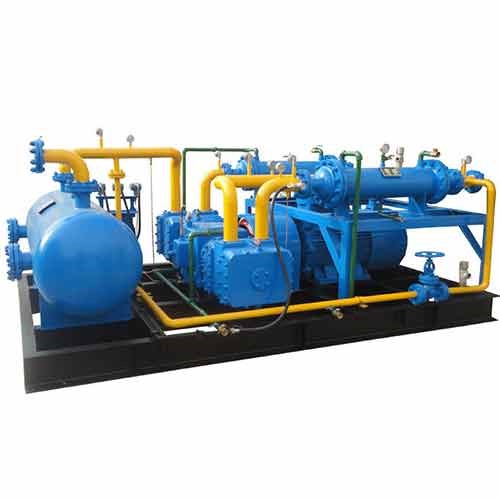
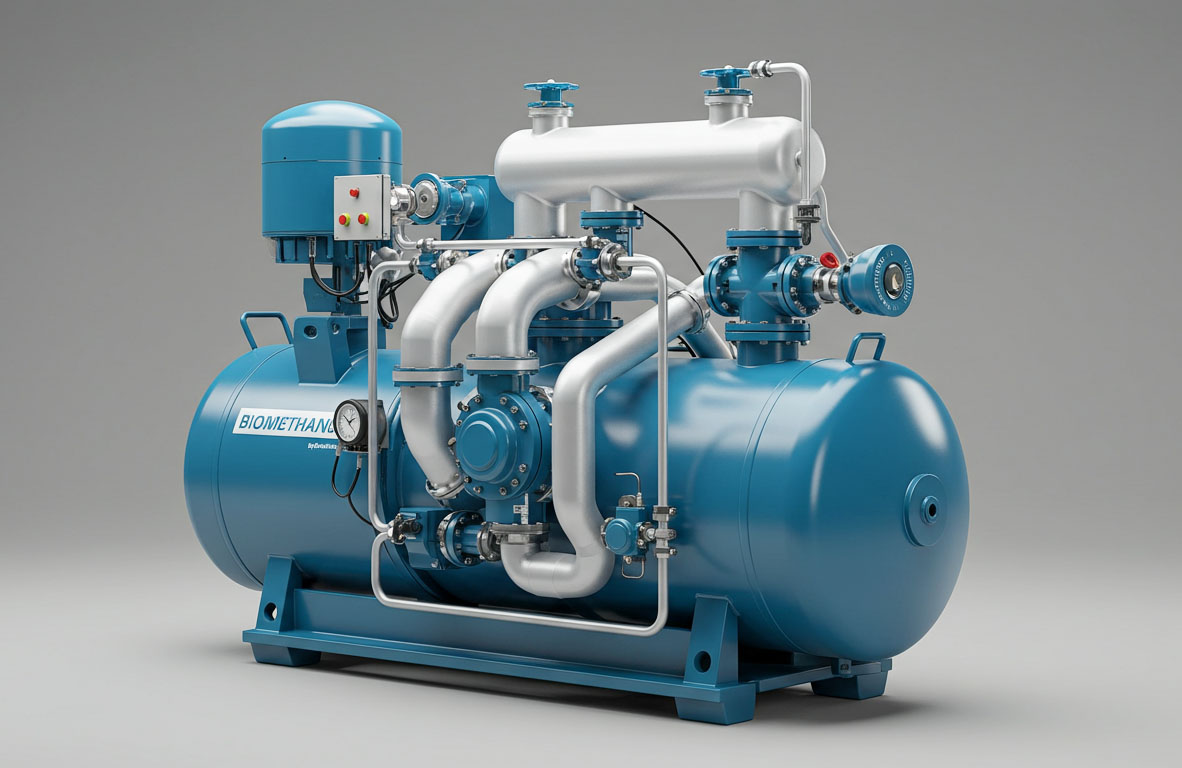
Reciprocating compressors—also known as piston compressors—are the backbone of countless industrial systems. They are widely used to compress air and gases in sectors like manufacturing, oil & gas, chemicals, food processing, and power generation. However, to keep these machines operating efficiently, safely, and reliably, regular maintenance is essential.
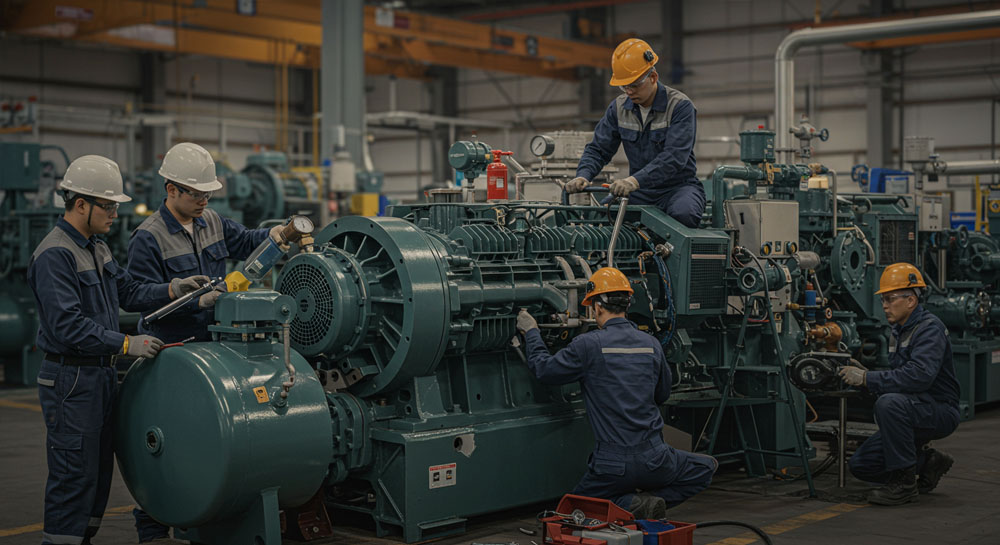
This article delves into the significance of reciprocating compressor maintenance services, what they include, and why they are a strategic investment for any facility relying on compressed air or gas.
Why Reciprocating Compressor Maintenance Matters
Reciprocating compressors contain numerous moving parts and operate under high pressure and temperature conditions. Without proper care, these conditions can lead to:
- Increased energy consumption
- Unexpected breakdowns
- Decreased output efficiency
- Shortened equipment lifespan
- Costly production downtime
Professional maintenance services ensure that your compressor remains in peak condition, reducing the risk of unplanned outages and maximizing return on investment.
Key Components Requiring Maintenance
Understanding which parts need attention helps illustrate why scheduled service is so important. Critical components include:
- Pistons and Piston Rings: Subject to high wear due to constant motion and pressure.
- Cylinders: Require smooth surfaces to maintain efficiency and prevent leaks.
- Valves: Open and close thousands of times per hour and are prone to fouling or breakage.
- Crankshaft and Bearings: Must remain properly aligned and lubricated to avoid vibration and failure.
- Seals and Gaskets: Degrade over time and may cause gas leaks.
- Cooling System: Essential to prevent overheating, especially in multistage compressors.
- Lubrication System: Must function correctly to reduce wear and maintain internal cleanliness.
Types of Maintenance Services Offered
Professional reciprocating compressor maintenance providers offer a range of services, often tailored to specific usage levels and environments:
1. Preventive Maintenance
Scheduled based on operating hours or calendar intervals, this includes:
- Inspection of wear-prone components
- Oil and filter changes
- Valve cleaning and replacement
- Belt and coupling checks
- Leak detection and correction
Preventive maintenance keeps the compressor running smoothly and helps catch early signs of wear or failure.
2. Corrective Maintenance
This service addresses specific issues such as abnormal noise, pressure drops, or performance inconsistencies. It may include:
- Replacing broken pistons or valves
- Resurfacing or reboring cylinders
- Realigning crankshaft or motor couplings
- Upgrading outdated components
Corrective maintenance restores full performance and addresses root causes of malfunction.
3. Predictive Maintenance
Using condition monitoring technologies such as:
- Vibration analysis
- Thermography
- Oil analysis
- Ultrasound inspection
These methods detect early signs of degradation, allowing planned interventions before a breakdown occurs. Predictive maintenance extends equipment life and reduces total cost of ownership.
4. Overhaul and Rebuild Services
A full overhaul involves disassembling the compressor, cleaning all parts, replacing worn items, and reassembling the machine to like-new condition. This is typically done:
- After a set number of operating hours
- During scheduled plant shutdowns
- When performance drops significantly
Rebuilds are often a more cost-effective alternative to purchasing new equipment.
Service Intervals and Maintenance Schedules
Maintenance schedules vary depending on compressor type, operating conditions, and manufacturer guidelines. A typical maintenance timeline may look like:
| Interval | Task |
|---|---|
| Daily | Check oil level, inspect for unusual noise/vibration |
| Weekly | Drain condensate, check belts |
| Monthly | Inspect filters, check connections and bolts |
| Quarterly | Oil and filter change, valve inspection |
| Annually | Complete inspection, test safety systems |
| Every 3–5 years | Major overhaul or rebuild |
Following a structured schedule helps maximize equipment uptime and ensure regulatory compliance.
Benefits of Professional Maintenance Services
Hiring professional compressor maintenance specialists brings several key advantages:
✅ Expert Diagnostics
Trained technicians use specialized tools and deep technical knowledge to identify subtle issues before they become serious failures.
✅ OEM-Compliant Repairs
Service providers with access to original parts ensure quality repairs and adherence to manufacturer standards.
✅ Enhanced Safety
Proper maintenance prevents dangerous failures such as cylinder rupture, high-pressure leaks, or lubrication loss.
✅ Increased Efficiency
A well-maintained compressor consumes less energy and performs more consistently, reducing operational costs.
✅ Extended Equipment Life
Routine care can double the lifespan of a reciprocating compressor—often reaching 15–20 years or more.
Choosing the Right Maintenance Partner
Not all service providers are equal. When selecting a reciprocating compressor maintenance service, consider:
- Experience: Look for companies with deep experience in your industry and compressor type.
- Certifications: ISO 9001, OSHA, and OEM partnerships reflect a commitment to quality and safety.
- Availability: 24/7 support and fast response times are crucial for critical systems.
- Customization: Providers should offer service plans based on your usage profile, environment, and system complexity.
- Data-Driven Support: Modern providers use digital tools and analytics to track performance and recommend maintenance windows.
Remote Monitoring and Smart Maintenance
With Industry 4.0 advancements, many compressors now come with IoT-based remote monitoring systems. These systems continuously track variables like pressure, temperature, vibration, and oil condition. When integrated with cloud platforms, service teams can:
- Monitor performance in real-time
- Receive automatic alerts when issues arise
- Schedule service proactively
- Minimize unplanned downtime
Smart maintenance not only saves money but also enables more informed decision-making and smoother production workflows.
Common Signs You Need Maintenance Now
Even with a preventive plan, it’s important to stay alert for warning signs such as:
- Unusual noises or vibrations
- Declining pressure or inconsistent output
- Oil leaks or dirty discharge air
- Increased energy consumption
- Compressor overheating
- Frequent tripping or shutdowns
Ignoring these signs can lead to catastrophic failure and expensive repairs—or even safety hazards.
Conclusion
Reciprocating compressors are vital pieces of industrial infrastructure, but like any mechanical system, they require care to operate safely and effectively. Investing in professional maintenance services helps prevent costly breakdowns, reduce energy use, and extend the useful life of your equipment.
Whether your operation relies on a single piston compressor or a fleet of them, partnering with experienced maintenance providers ensures peace of mind and consistent performance. In today’s high-demand, uptime-sensitive industrial environment, that reliability is not just an option—it’s a necessity.